Our Services
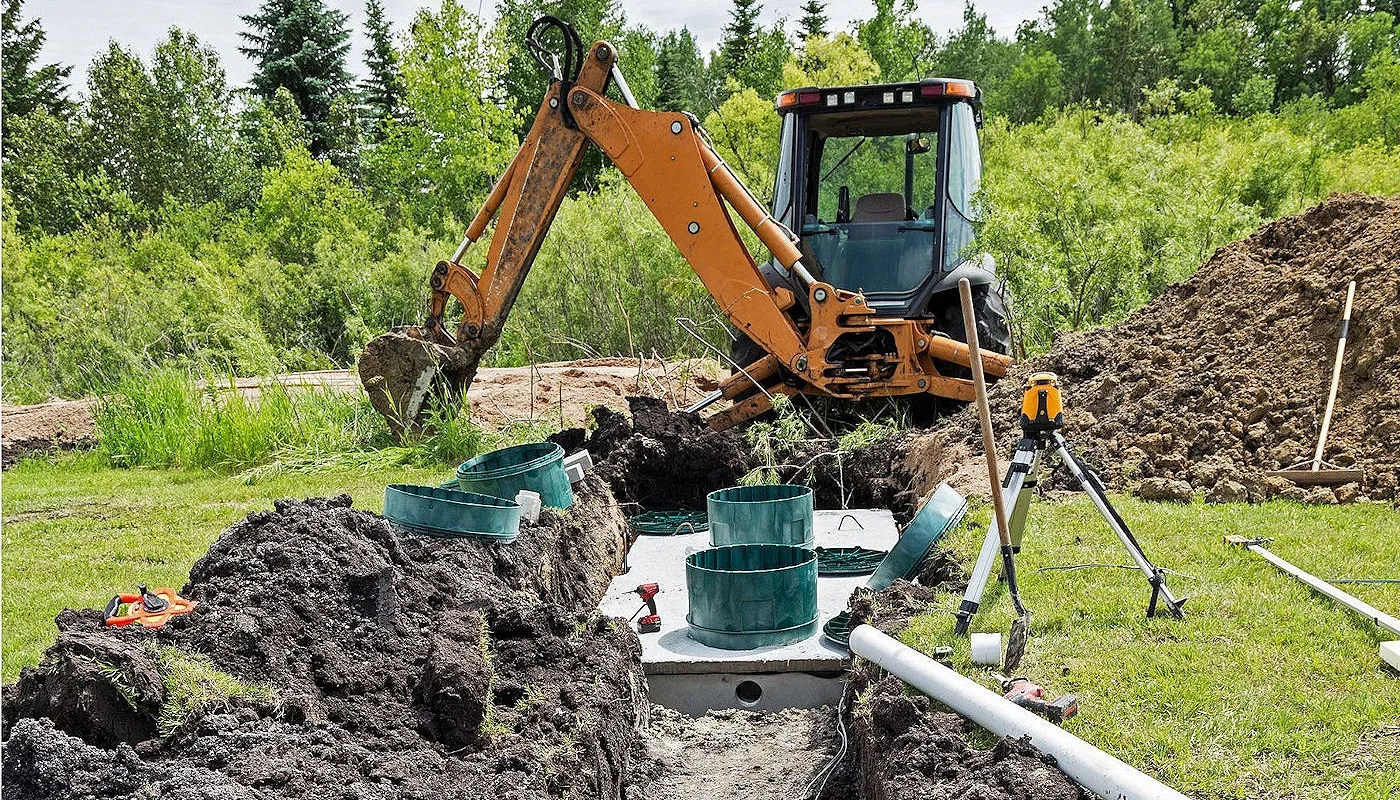
Engineered septic systems are for lots that a standard gravity system cannot serve. We install them out of Piedmont, AL, across Northeast Alabama and Northwest Georgia. Most lots take a conventional septic system installation with a tank and gravity field lines. When the soil or the water table rules that out, the lot needs its own design.
Jim Westbrook has installed septic systems his whole working life, and engineered work is part of that. He holds an Alabama Level II (advanced) onsite wastewater installer license. That is the level that covers engineered and large commercial onsite systems. The company runs three crews and owns the excavation equipment those crews dig with.
Tell us about your project and we will get right back to you.
A standard septic system is simple. Waste flows from the house to the tank, then out to field lines by gravity. The soil under those lines does the treatment, and that only works if the soil will take water. An engineered system, also called an alternative septic system, is used when a lot cannot handle that plain layout.
In Alabama, an engineered system has to be designed by a registered professional engineer. The engineer studies the soil and the slope, then draws a system that fits the lot. The plan calls out the pump size and the depth and length of every trench. We build what the plan shows and set the system where it is drawn.
Pump and dosing systems are the most common engineered setup we install. A pump tank and a control panel push the wastewater out in measured doses. That keeps one part of the field from taking all the flow. It also lets the field sit uphill from the tank, which opens up lots that gravity cannot serve.
An engineered system carries more parts than a plain gravity setup. Most have a pump tank, a float set, a control panel, and an alarm mounted on the house. The alarm sounds when the pump stops keeping up with the flow. Those parts are why an engineered system needs a set service schedule.
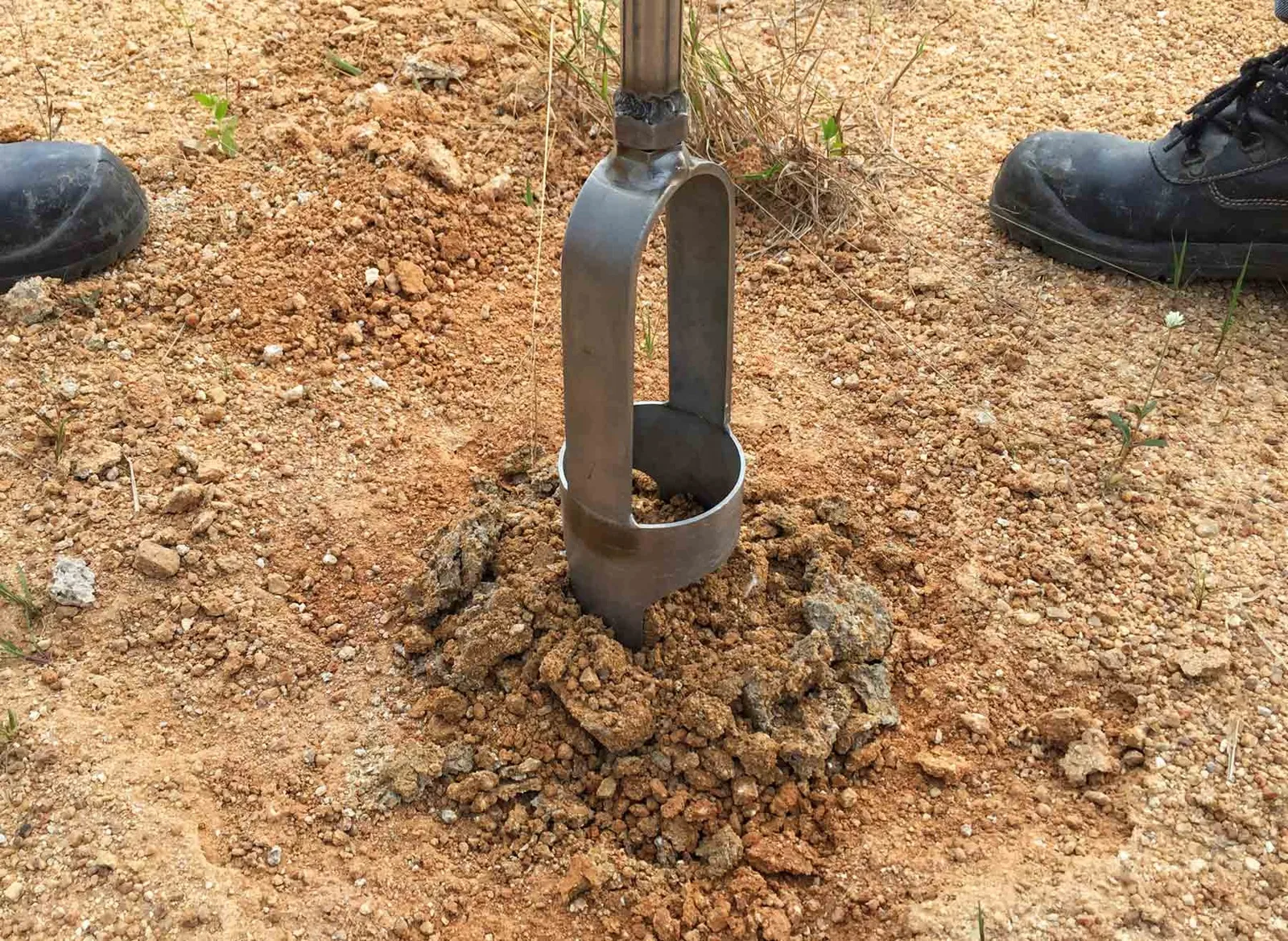
A perc test measures how fast water moves down through the soil. Tight red clay and shallow rock both slow it down, and a high water table does the same. A slow result does not mean the lot is unbuildable or that you have to sell it. It means standard field lines will not work there.
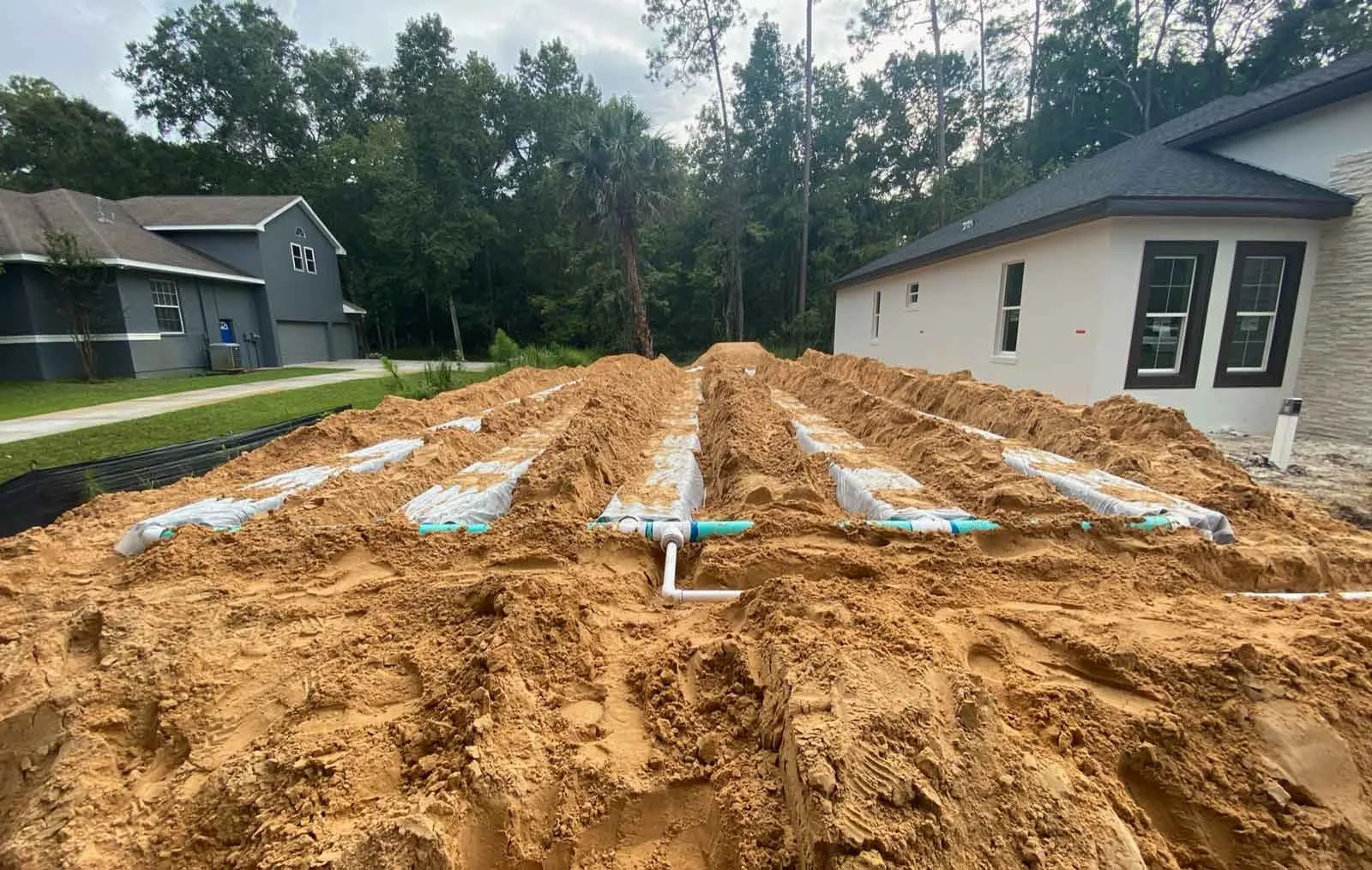
That is where an engineered design comes in. Tight clay and shallow rock are common on hill ground in this part of Alabama. The engineer may call for a mound-type system or a low pressure pipe field. We install to whichever design the county health department approves.
Before any design work, the lot needs a soil evaluation. We coordinate the perc test and soil test that the design is built on. If you already have a system and the yard stays wet, the fix may be smaller. A tired field often needs repair or replacement of the field lines instead of a new engineered system.
What an engineered system costs depends on what the engineer draws. A pump tank, a control panel, extra sand fill, and longer trench runs all add to the work. Rock in the trench line adds more time on site and more equipment. We give a price after we see the design and the lot.
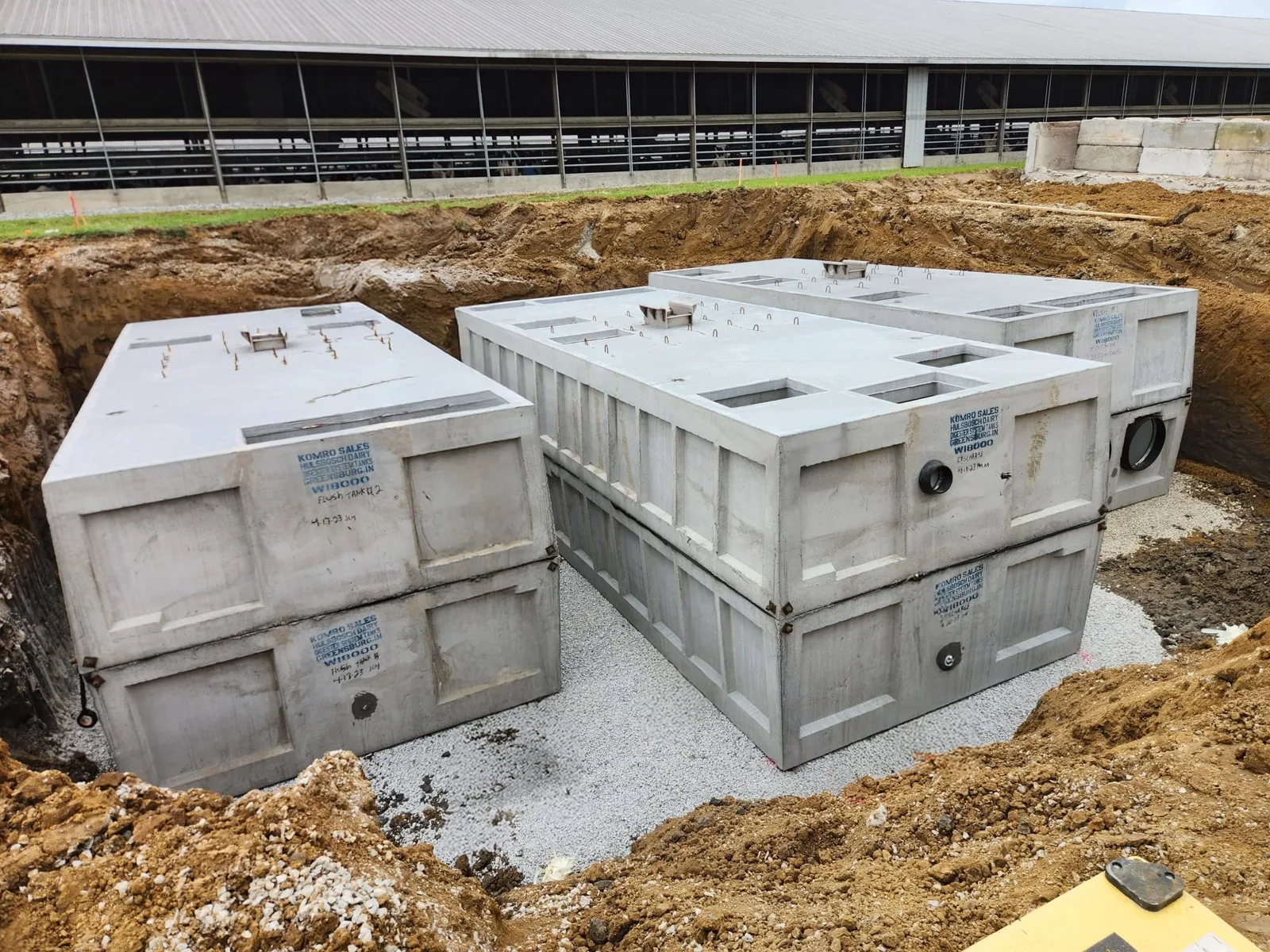
Schools and churches put out far more wastewater per day than a house. Jim has installed onsite systems for schools, which run at the high end of daily flow. Higher daily flow means bigger tanks and more field area than a home system needs. The design comes from an engineer and is sized to the expected daily flow.
Alabama sets a higher installer license level for work at this size. Jim holds an Alabama Level II (advanced) onsite wastewater installer license, which is the level that reaches it. Big sites also need dirt work that keeps pace with the schedule. We own our excavation equipment and run three crews, which keeps the digging on schedule.
A commercial job starts earlier and moves slower at the front end than a house job. The engineer and the county health department both look at the plan before any dirt moves. Tank sizing and field size get settled up front, along with access for a pump truck. We build once the permit is in hand and the layout is staked on the ground.
Our service area runs across Northeast Alabama and Northwest Georgia. Piedmont sits close to the state line, so a run over to Summerville or Rockmart is a normal day. In Georgia the permit comes from the county environmental health office. Call (256) 453-9003 with your engineer's plan for a free estimate.
Free, no-obligation estimates across Northeast Alabama and Northwest Georgia.
(256) 453-9003From the first phone call to the final grade, here is exactly how it goes.
Tell us what the system is doing, or what the new build needs. We answer questions on the phone and set a time to come out.
We look at the tank, the field, the soil, and the access. Then you get one price for the whole job before any work starts.
We file the septic permit with the county health office where the job needs one, then dig, set, and plumb the work to what the permit calls for.
The inspector signs off before anything is covered. We backfill, grade the ground smooth, and leave the yard ready to seed.
Common questions about engineered systems across Northeast Alabama and Northwest Georgia. Don't see yours? Give us a call and ask.
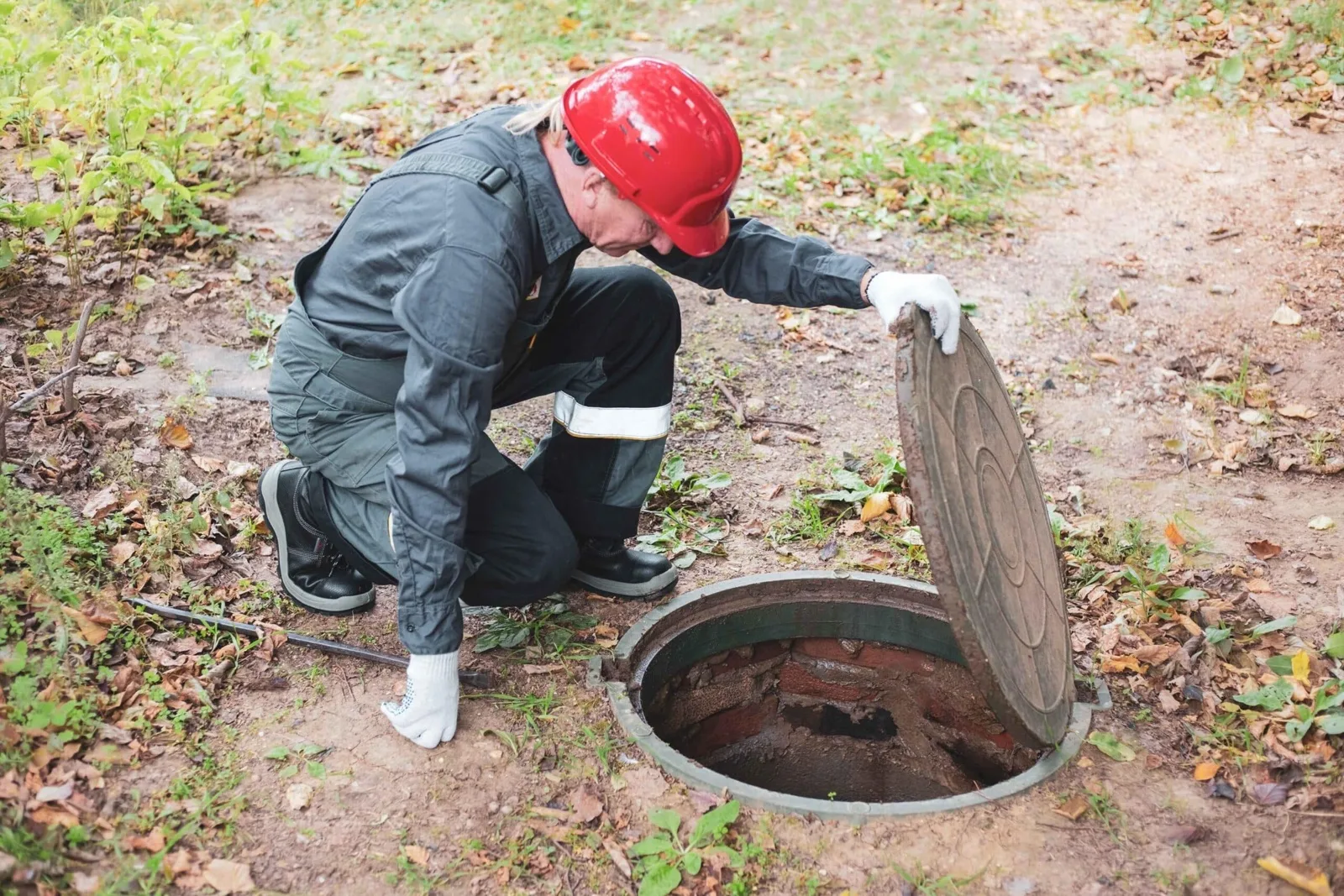
We inspect septic tanks and drain fields, then put what we find in writing. We also handle perc tests and soil tests for new lots across Northeast Alabama and Northwest Georgia.
View Details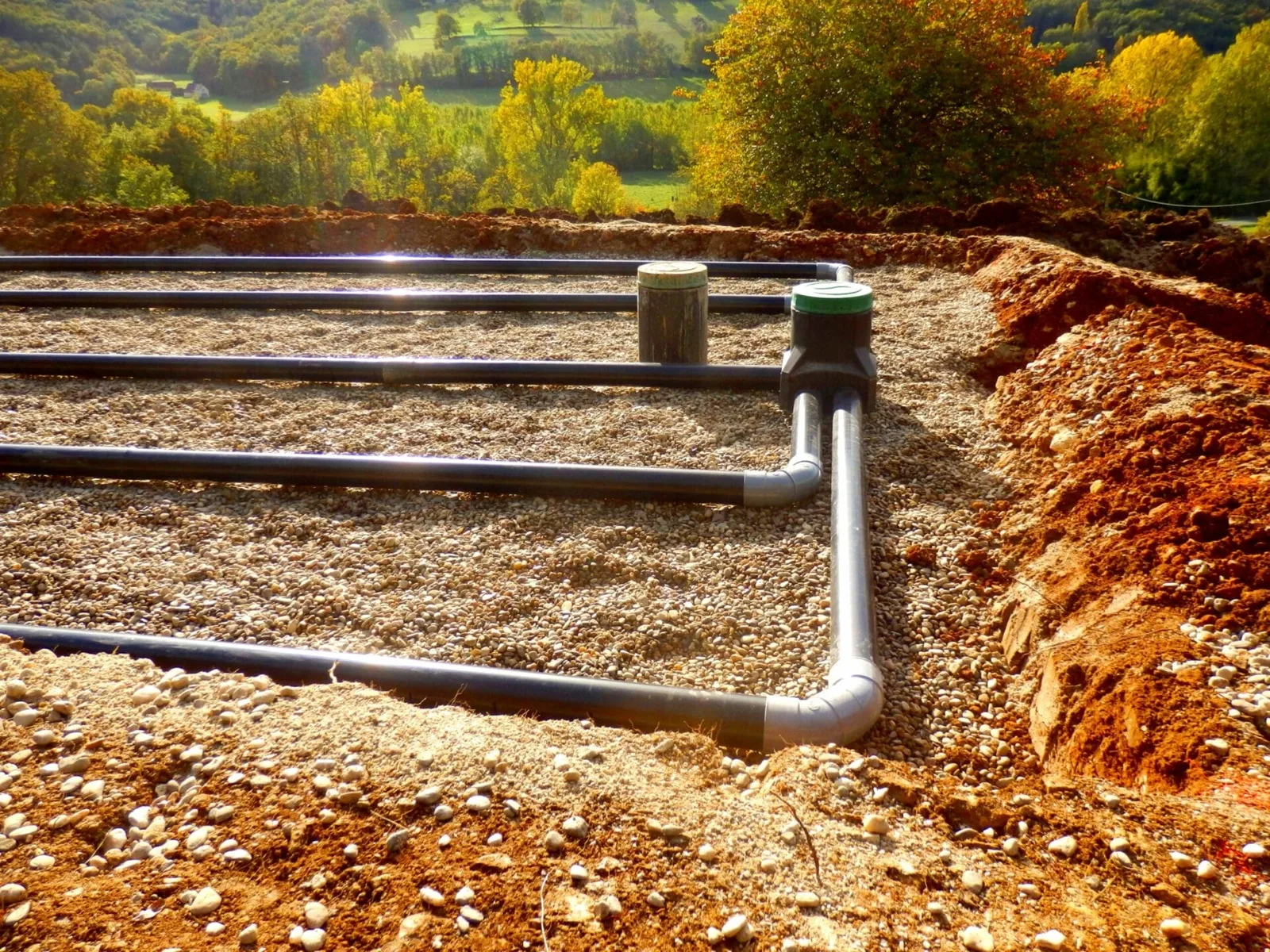
Drain field repair puts the buried field lines back to work when your yard stays wet. We repair and replace field lines across Northeast Alabama and Northwest Georgia.
View Details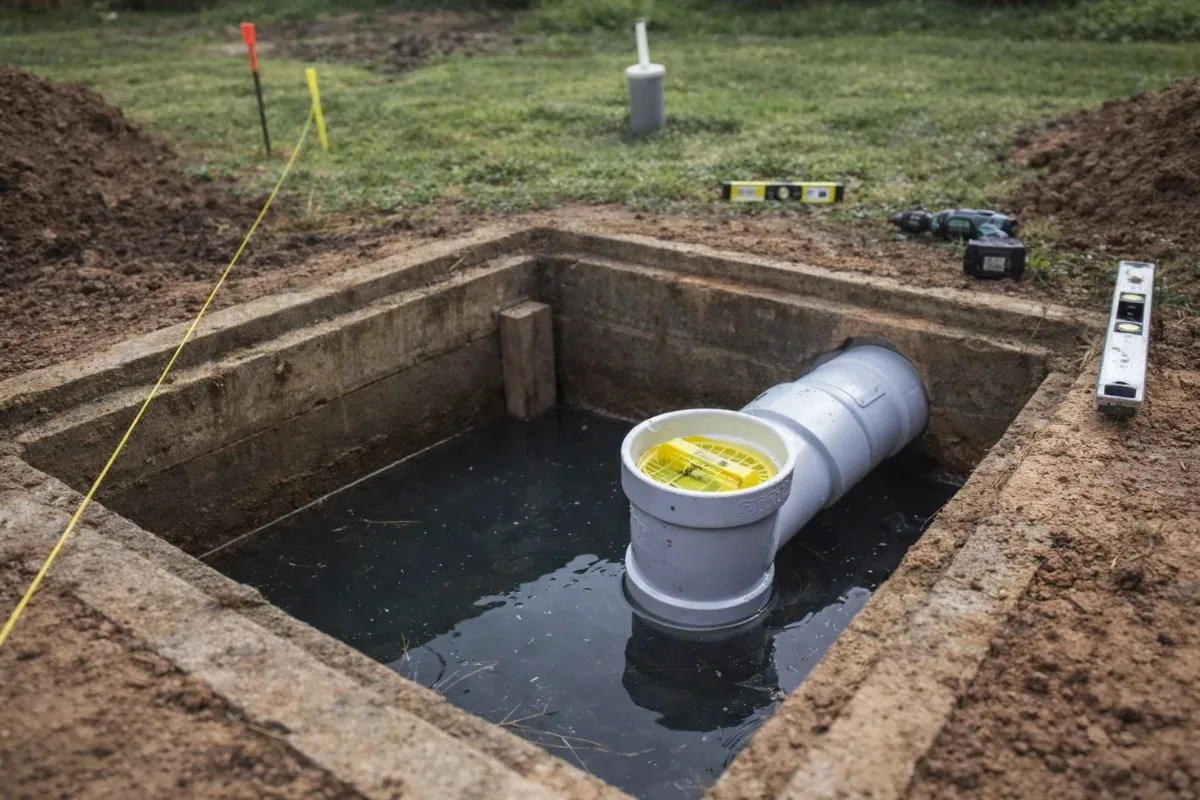
We repair septic tanks, lids, risers, baffles, and the lines running in and out of the tank. Estimates are free across Northeast Alabama and Northwest Georgia.
View DetailsJim Westbrook has put in septic systems his whole working life. He has dug through the clay, chert, and shallow rock that sit under Northeast Alabama, and that reading of the ground shapes every system we build.
Jim holds an Alabama Level II installer license, the advanced level. That covers conventional gravity systems, engineered systems for lots that fail a perc test, and large commercial jobs like schools.
Septic permits run through the county health department in Alabama and the county environmental health office in Georgia. We file the right paperwork in the right office and never cover a system before the inspector signs off.
Three crews and our own excavation equipment mean your job gets scheduled and finished. Tank, field lines, pumps, and the drainage that protects them all come from the same company.
Alabama septic permit requirements explained: the county health department process, how a perc test works, what rate passes, lot size and setback rules, and who may install.
Read more →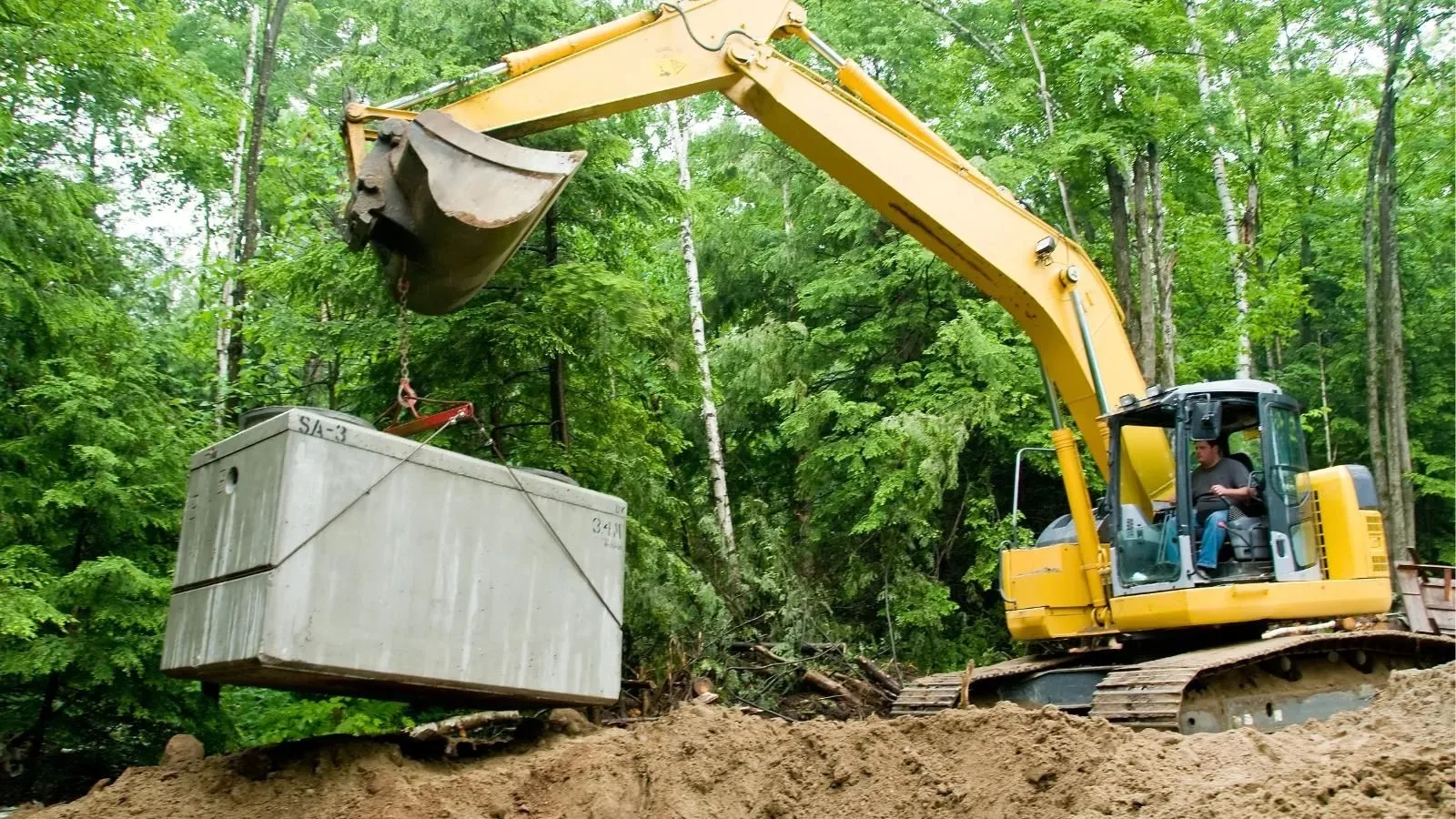
Septic system cost in Alabama: 2026 market ranges by bedroom count and system type, the state tank size rule, perc test and permit fees, and what moves the price.
Read more →Septic tank repair or replacement: what Alabama's rules call a repair, which failures mean a new tank or field, 2026 cost ranges for both, and the insurance reality.
Read more →A new build that needs a septic system, a tank that is overdue for a pump out, or a drain field that will not dry up? Call or send the form and we will look at the job with you and price the whole thing. The estimate is free.
Tell us about your project and we will get right back to you.