Our Services
Affordable Septic and Plumbing runs septic inspections out of Piedmont, Alabama. An inspection tells you what is buried in the yard and what shape it is in. We open the tank, read the water level, and check the ground over the drain field. Our trucks cover Northeast Alabama and Northwest Georgia.
Jim Westbrook owns the company and has installed septic systems his whole working life. He holds an Alabama Level II (advanced) onsite wastewater installer license, which covers engineered and large commercial onsite systems. The same crews that handle our septic system installs do the inspections. We read a tank the way an installer does.
Tell us about your project and we will get right back to you.
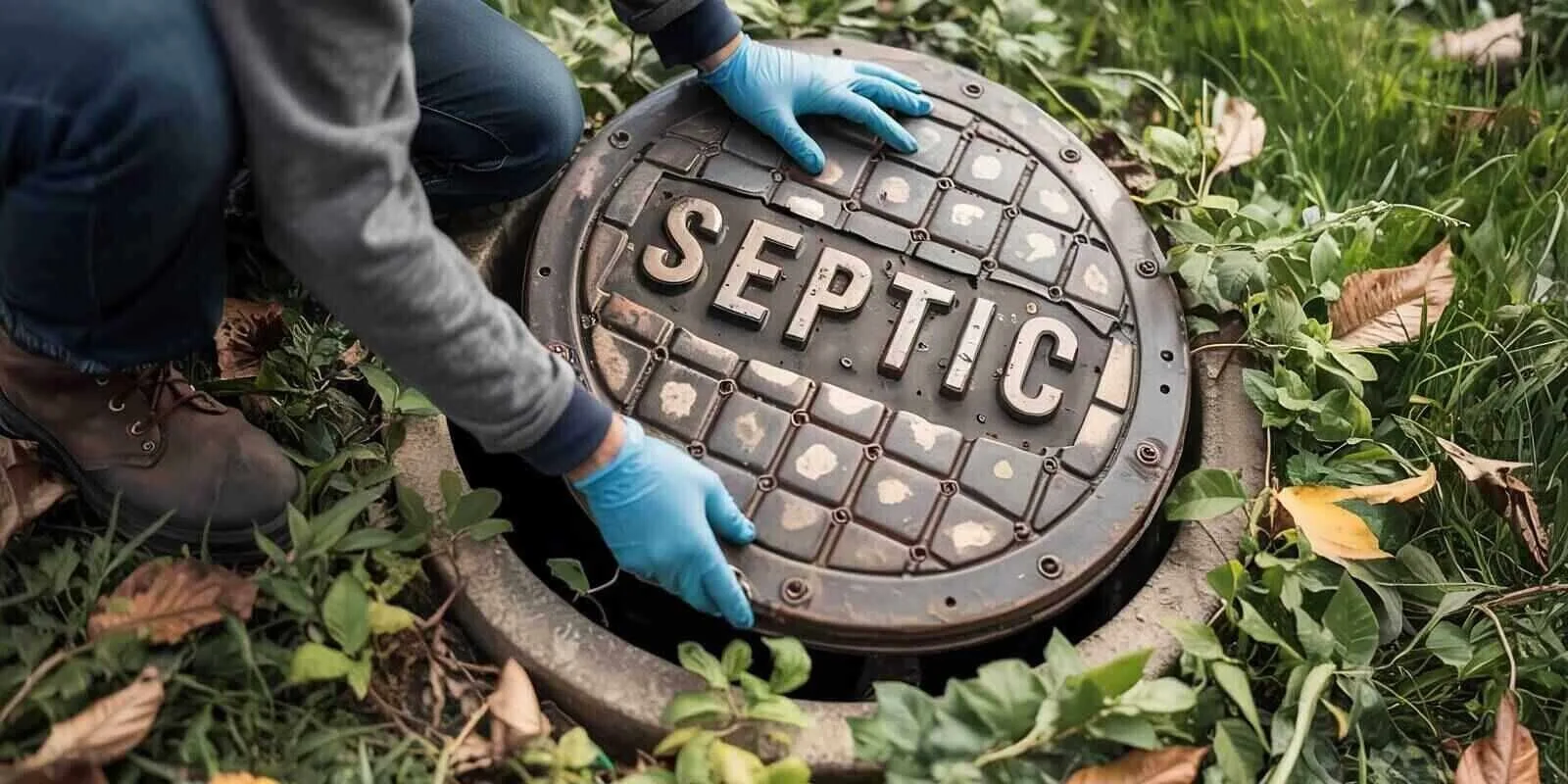
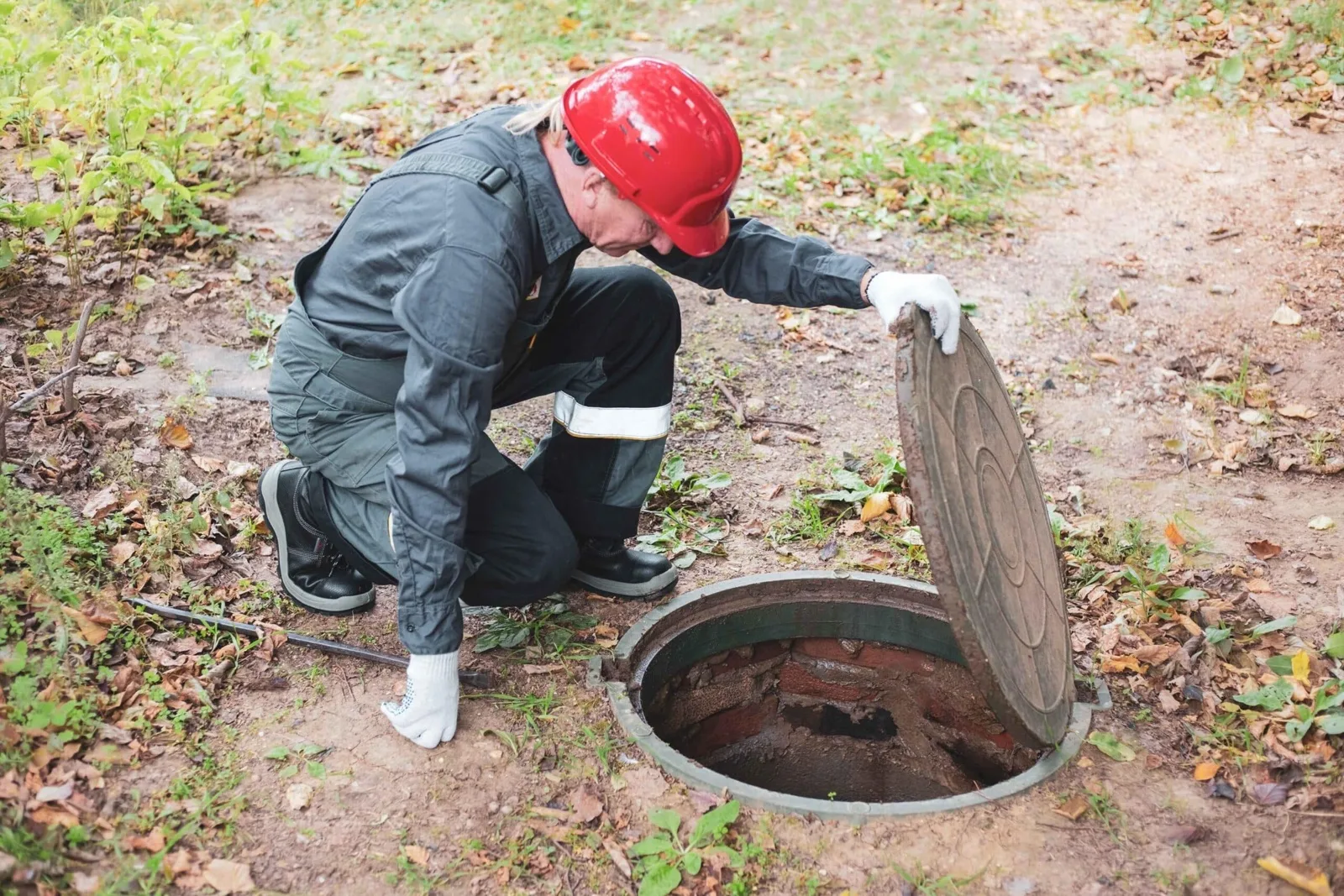
A septic tank inspection starts at the tank itself. We find it, dig down to the lid, and open it up. The water level inside is the first thing we read. A level that sits high usually means water is backing up from the field lines.
Next we measure the sludge on the bottom and the scum layer on top. We check the inlet and outlet baffles, then the risers and the lid for cracks. Broken baffles and cracked lids turn up often on older tanks. Most of that falls under tank repair work rather than a full replacement.
Outside, we look over the ground above the drain field. Wet spots, standing water, odor, and grass growing greener in strips all point to a field problem. We also check the line running from the house to the tank, a common failure point. If the tank has to be pumped to see inside, we can pump it that same visit.
Most inspections end with a short list. Plenty of tanks just need pumping and a new lid. When a part is worn but still working, we say so and tell you what to watch for. When a part has failed, we tell you what the fix takes.
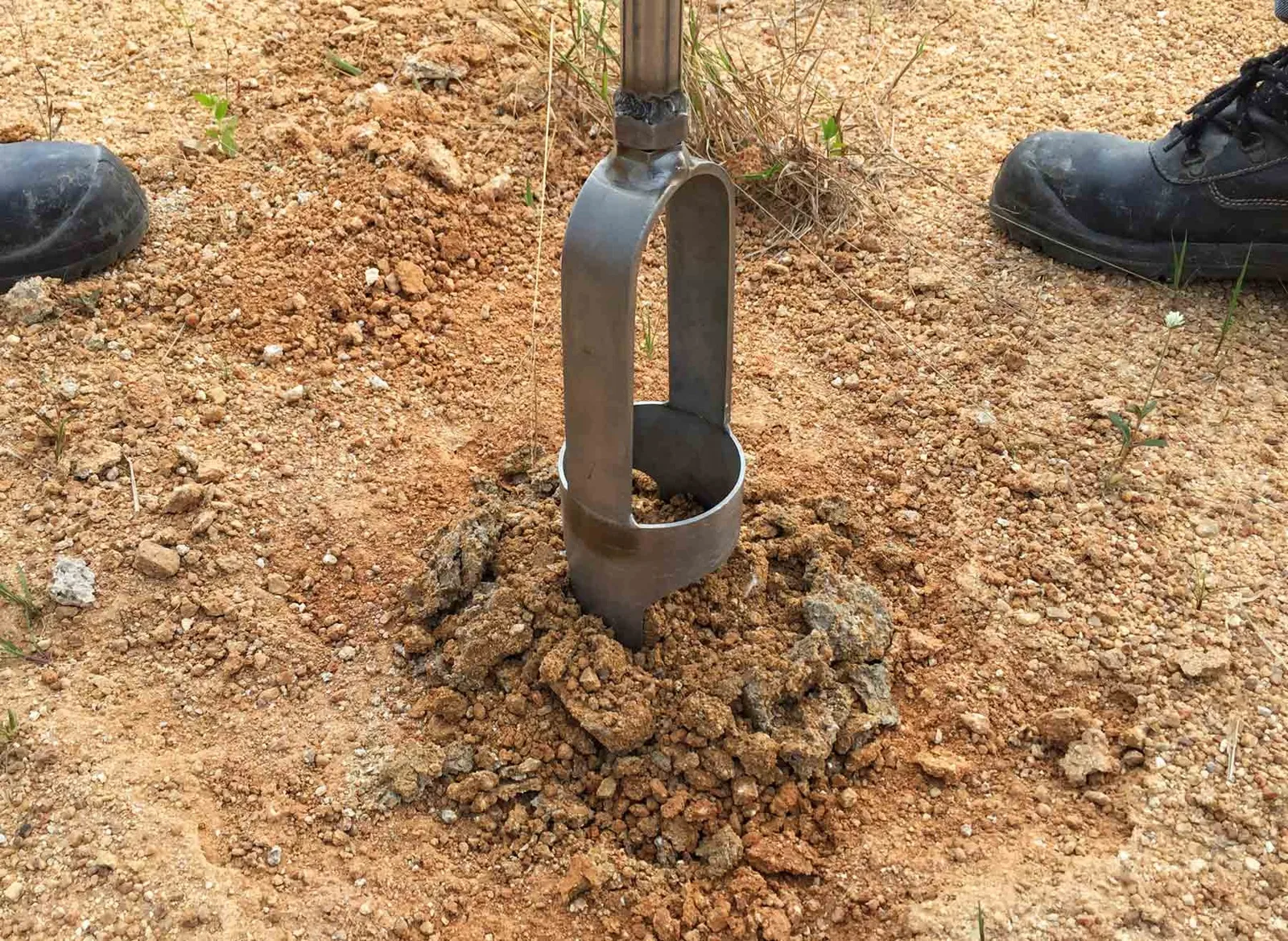
A perc test, also called a percolation test, measures how fast water soaks into the soil. A soil test looks at the soil layers themselves and what they are made of. Both answer the same question: can this lot handle a septic system, and what kind? The county health department needs that soil information before it issues a permit to install.
In Alabama, that soil work is done by a professional soil classifier, engineer, land surveyor, or geologist. Some county health departments have an environmentalist who can run the test or has an older one on file. We line the testing up for you and dig the holes the tester needs. The results then go in with the permit application to the county health department.
The permit application asks for soil information, a legal description, a plot plan, and a vicinity map. Some jobs also need a construction plan. If the soil will not take a conventional system, we look at engineered and alternative systems. Rules and paperwork vary, so check with the county health department about your lot.
Get the soil work done early on a new lot. The results shape where the house sits, where the driveway goes, and how big the system has to be. Buying land before the soil is tested is a gamble on the cost of the system. We would rather test first and design around what the soil gives us.
Real estate sales bring in a lot of our inspection calls. Buyers want to know what is in the ground before they close. Sellers want the system looked at before it holds up the sale. We inspect the tank and the field, then write down what we find.
You get a plain list of what is working and what needs repair, with the urgent items marked. In Georgia, the county environmental health office keeps inspection reports on existing systems. Those reports show the type of system and where it sits on the property. Pulling one ahead of time cuts down the time we spend finding the tank.
An inspection sometimes turns up a system at the end of its life. That is better to know before money changes hands than after. We tell you what the ground and the tank are actually doing. From there you can price the work into the deal or plan the repair on your own timeline.
We take inspection calls across Northeast Alabama and Northwest Georgia. Piedmont sits close to the state line, so a run east to Cedartown is normal for us. Three crews and our own excavation equipment keep the schedule moving. Call (256) 453-9003 and we will get you on the schedule.
Free, no-obligation estimates across Northeast Alabama and Northwest Georgia.
(256) 453-9003From the first phone call to the final grade, here is exactly how it goes.
Tell us what the system is doing, or what the new build needs. We answer questions on the phone and set a time to come out.
We look at the tank, the field, the soil, and the access. Then you get one price for the whole job before any work starts.
We file the septic permit with the county health office where the job needs one, then dig, set, and plumb the work to what the permit calls for.
The inspector signs off before anything is covered. We backfill, grade the ground smooth, and leave the yard ready to seed.
Common questions about septic inspections across Northeast Alabama and Northwest Georgia. Don't see yours? Give us a call and ask.
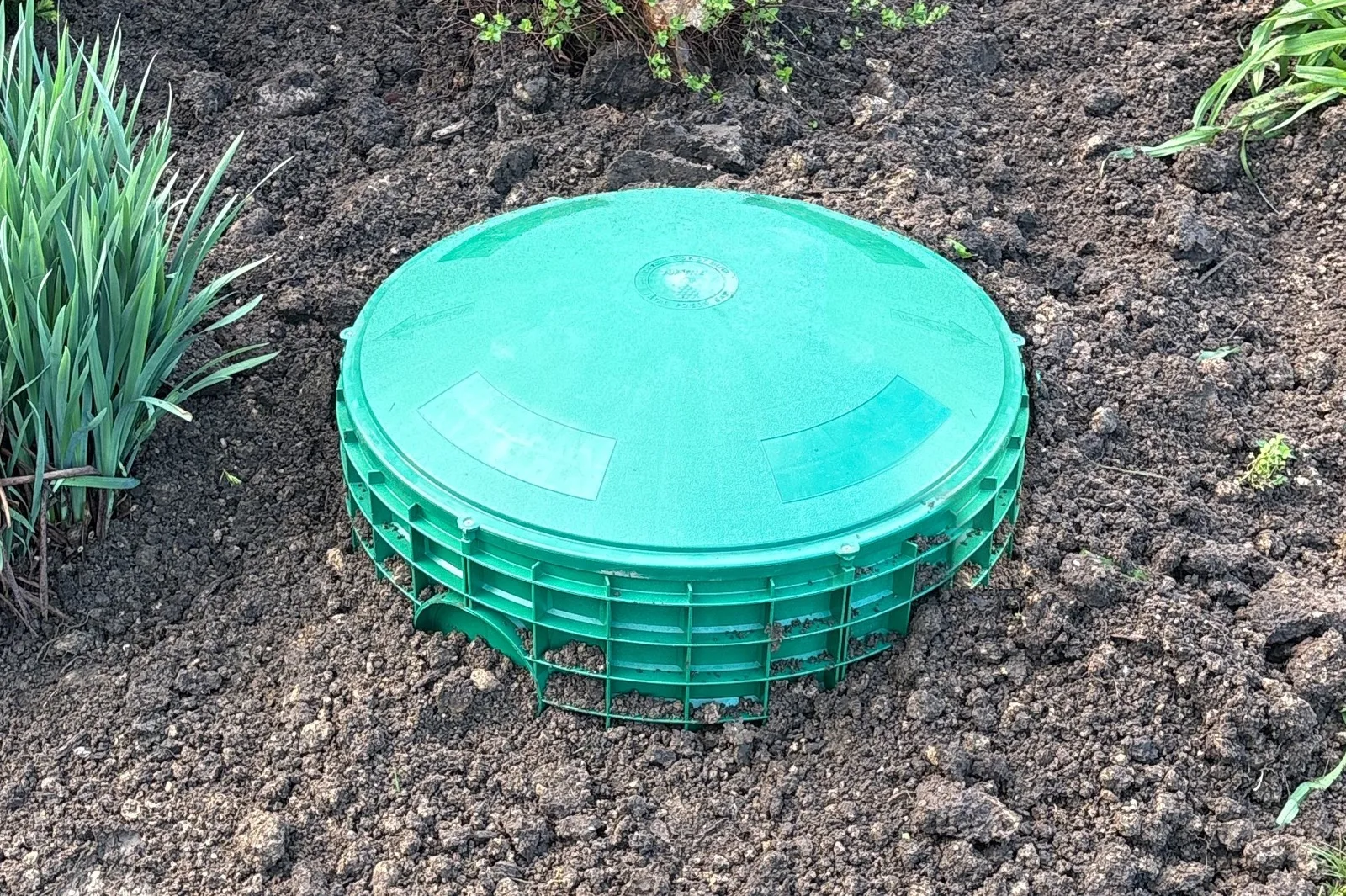
Regular septic tank maintenance keeps solids in the tank and out of your field lines. We pump on a schedule, clean the outlet filter, check the lids, and look over the drain field.
View Details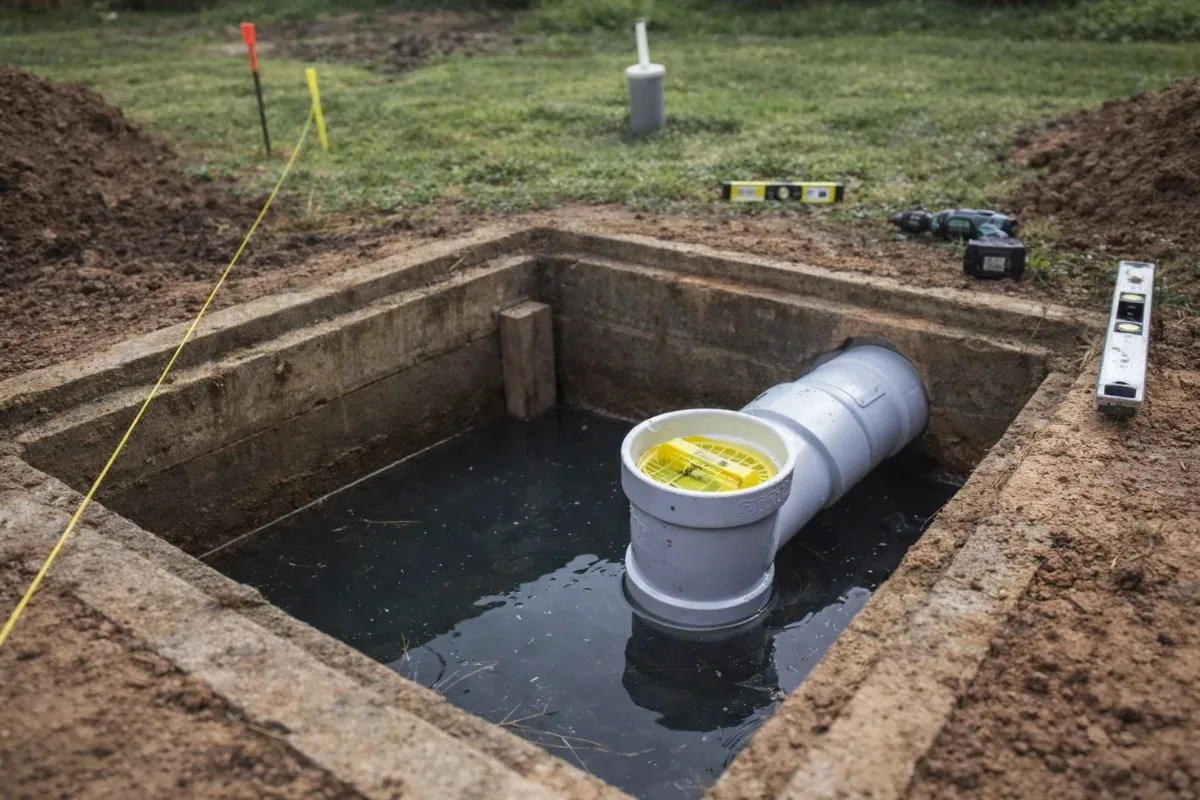
We repair septic tanks, lids, risers, baffles, and the lines running in and out of the tank. Estimates are free across Northeast Alabama and Northwest Georgia.
View Details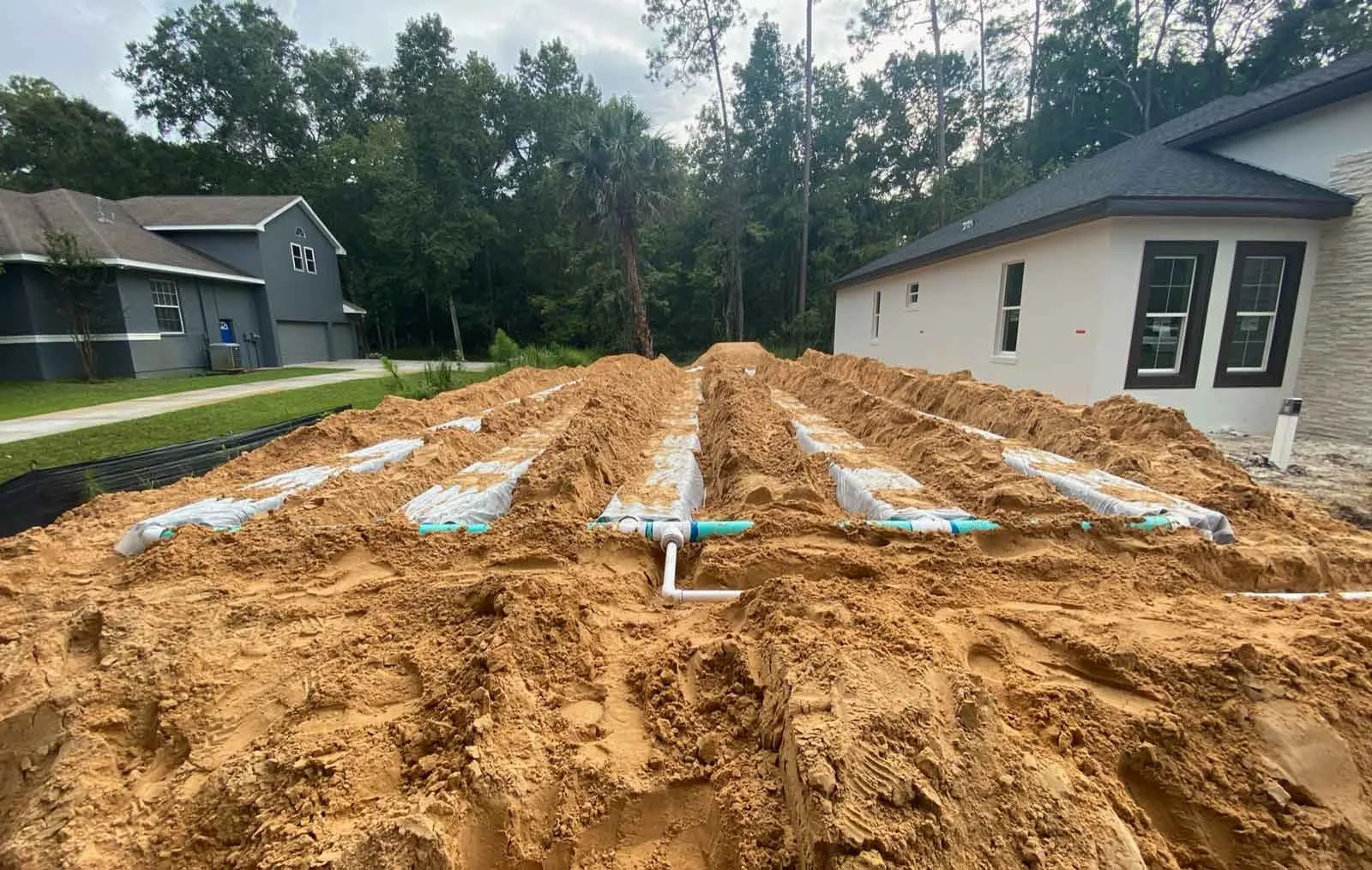
Some lots cannot take a standard gravity system. We install engineered and alternative septic systems built to an engineer's design, including pump and dosing systems.
View DetailsJim Westbrook has put in septic systems his whole working life. He has dug through the clay, chert, and shallow rock that sit under Northeast Alabama, and that reading of the ground shapes every system we build.
Jim holds an Alabama Level II installer license, the advanced level. That covers conventional gravity systems, engineered systems for lots that fail a perc test, and large commercial jobs like schools.
Septic permits run through the county health department in Alabama and the county environmental health office in Georgia. We file the right paperwork in the right office and never cover a system before the inspector signs off.
Three crews and our own excavation equipment mean your job gets scheduled and finished. Tank, field lines, pumps, and the drainage that protects them all come from the same company.
Alabama septic permit requirements explained: the county health department process, how a perc test works, what rate passes, lot size and setback rules, and who may install.
Read more →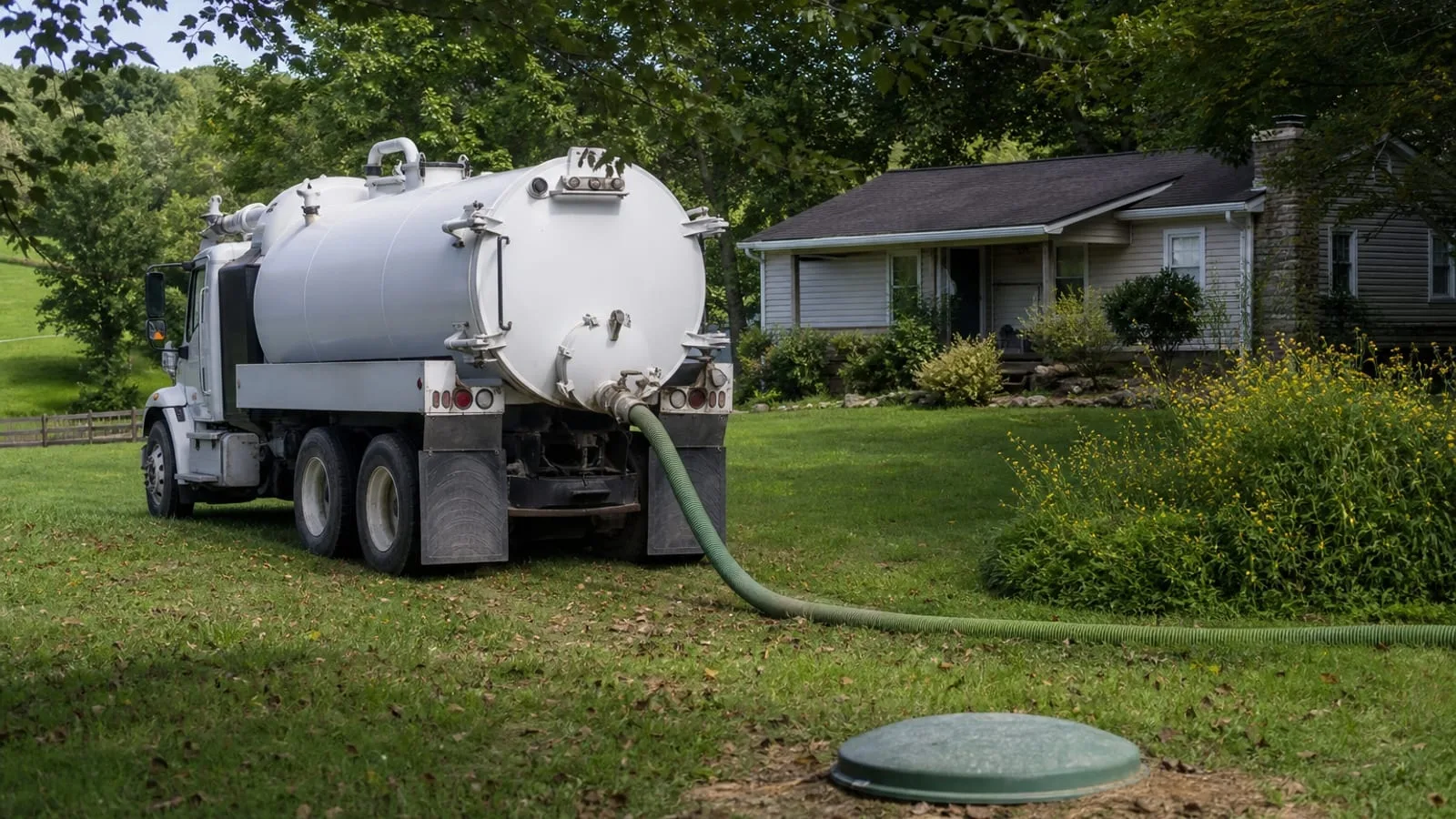
How often to pump a septic tank in Alabama: the state and EPA guidance, the interval table by tank size and household, pump out costs, signs a tank is full.
Read more →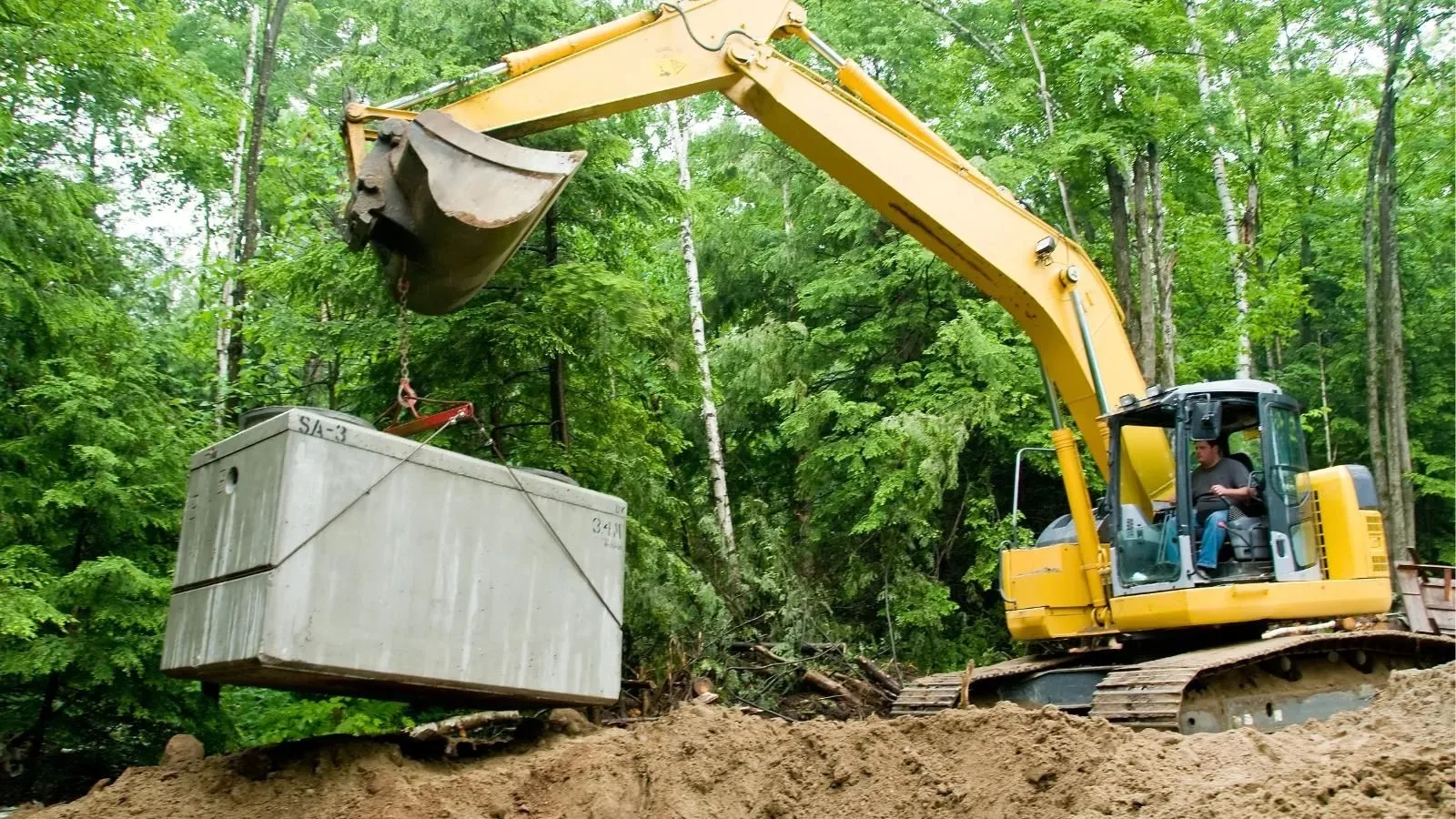
Septic system cost in Alabama: 2026 market ranges by bedroom count and system type, the state tank size rule, perc test and permit fees, and what moves the price.
Read more →A new build that needs a septic system, a tank that is overdue for a pump out, or a drain field that will not dry up? Call or send the form and we will look at the job with you and price the whole thing. The estimate is free.
Tell us about your project and we will get right back to you.