Our Services
Curtain drain installation keeps groundwater from soaking into a septic drain field. We dig them out of Piedmont, AL, and across Northeast Alabama and Northwest Georgia. A drain field only works when the soil under it has room to take water. On a sloped lot, water moving through the ground fills that soil and backs the system up.
Jim Westbrook owns Affordable Septic and Plumbing and has installed septic systems his whole working life. He holds an Alabama Level II (advanced) onsite wastewater installer license, which covers engineered and large commercial systems. The company runs three crews and owns its own excavation equipment. Curtain drain work happens on the same visit as the septic work it protects.
Tell us about your project and we will get right back to you.
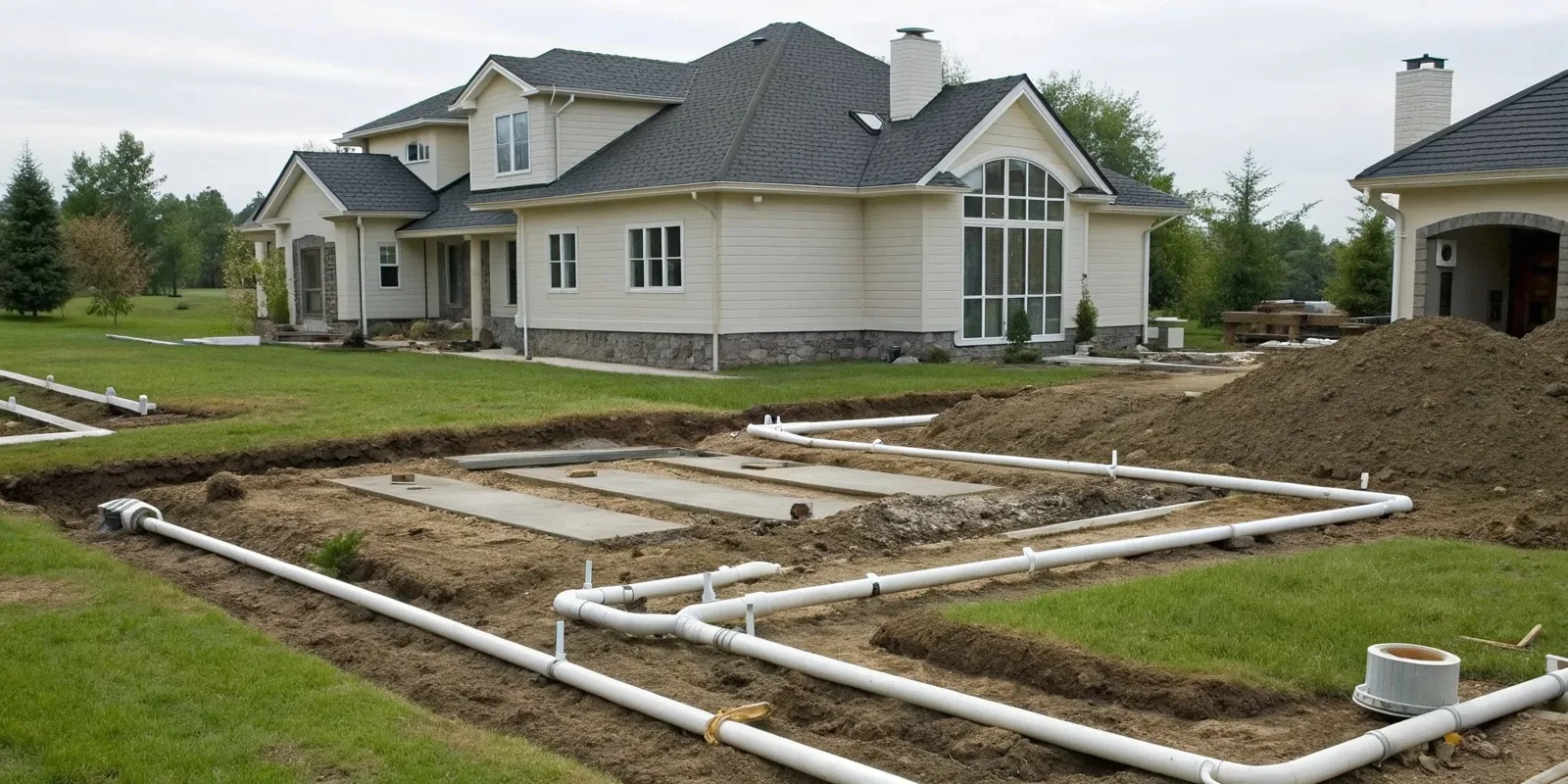
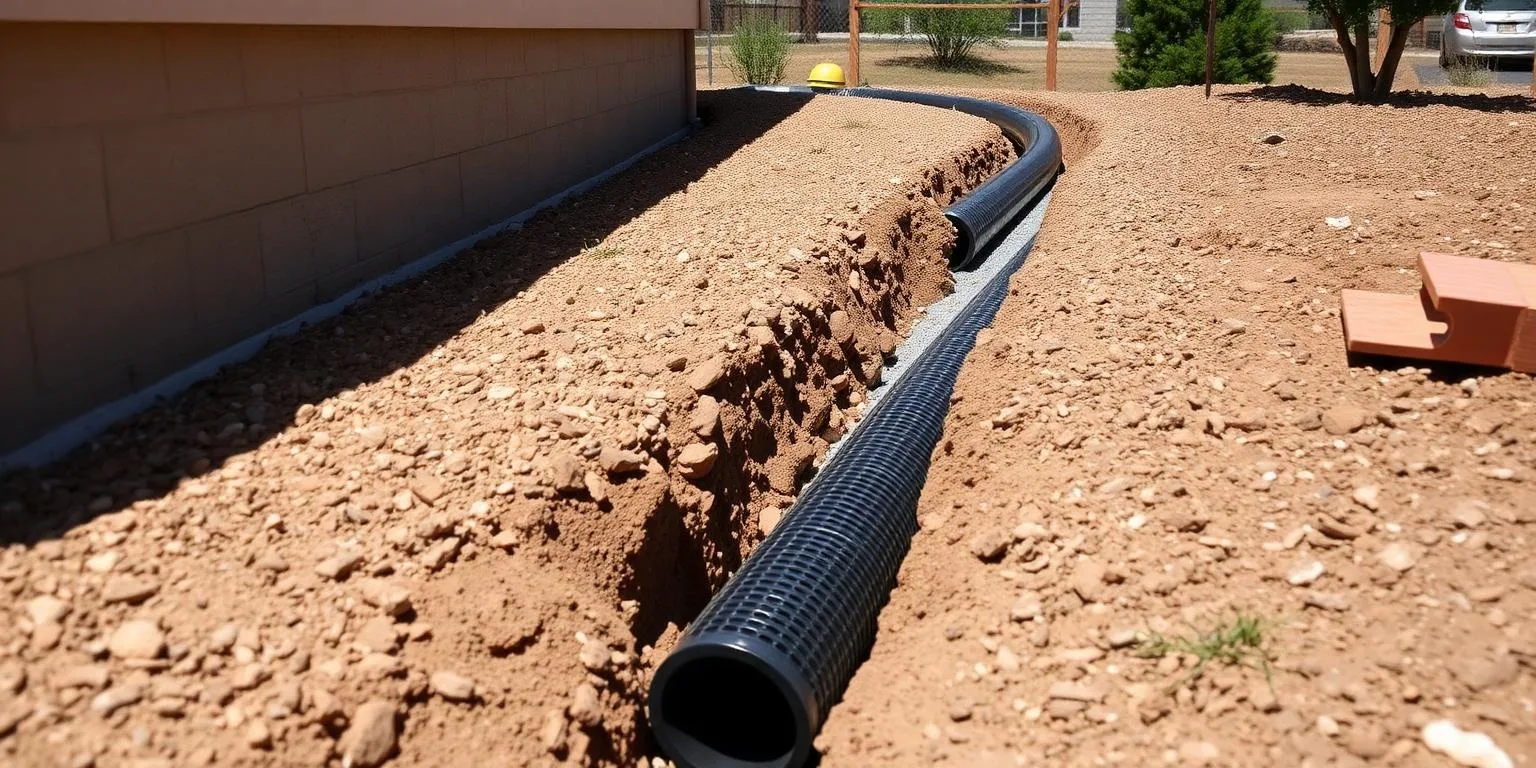
A curtain drain is a trench cut across the slope above your drain field. It sits between the high ground and the field lines. Perforated pipe goes in the bottom, packed in washed stone. Water moving downhill through the soil hits the trench and drops into the pipe instead of the field.
We cut the trench deeper than the bottom of the field lines. Groundwater travels along the top of a hard layer of clay or rock. We dig down to that layer so the water has nowhere to slip past. Filter fabric wraps the stone and keeps silt out of it.
The pipe carries that water to an outlet at a lower spot, away from the field. It comes out at ground level on the downhill side and drains off. The water inside a curtain drain is clean groundwater that never entered the septic system. Once the field dries out, the soil under it can take wastewater again.
Size and depth depend on the lot. A short run may only need to cross the uphill side of the field. A long slope with a lot of water behind it takes a longer trench and a deeper cut. The outlet has to sit low enough for the pipe to drain on its own.
The clearest sign is a system that behaves by season. It runs fine through a dry summer, then backs up after weeks of rain. Wet ground shows up uphill of the field, or the field itself stays spongy. Some lots have a spring or a seep on the slope above the lines.
A wet field is not always a groundwater problem. Crushed lines or sludge from an overdue pump out cause the same soggy ground. We look at the tank and the lines first, since field line repair and replacement fixes those. A curtain drain helps when the water reaches the field from outside the system.
Soil tells the rest of the story. A soil evaluation shows how high the water table climbs in a wet season. Gray and mottled colors in the walls of the test pit mark the level the water reaches. That reading is what decides whether a curtain drain belongs above the field.
Timing matters too. The wet season shows the problem, and a dry summer hides it. A field that looked fine in August can go soft in February with no change in use. We can read the ground either way, though wet weather makes the water path easier to see.
The first step is reading the slope. We find where the water enters the property and where it can leave. The trench line follows the contour above the field, across the path the water takes. It sits back far enough that the drain picks up groundwater only.
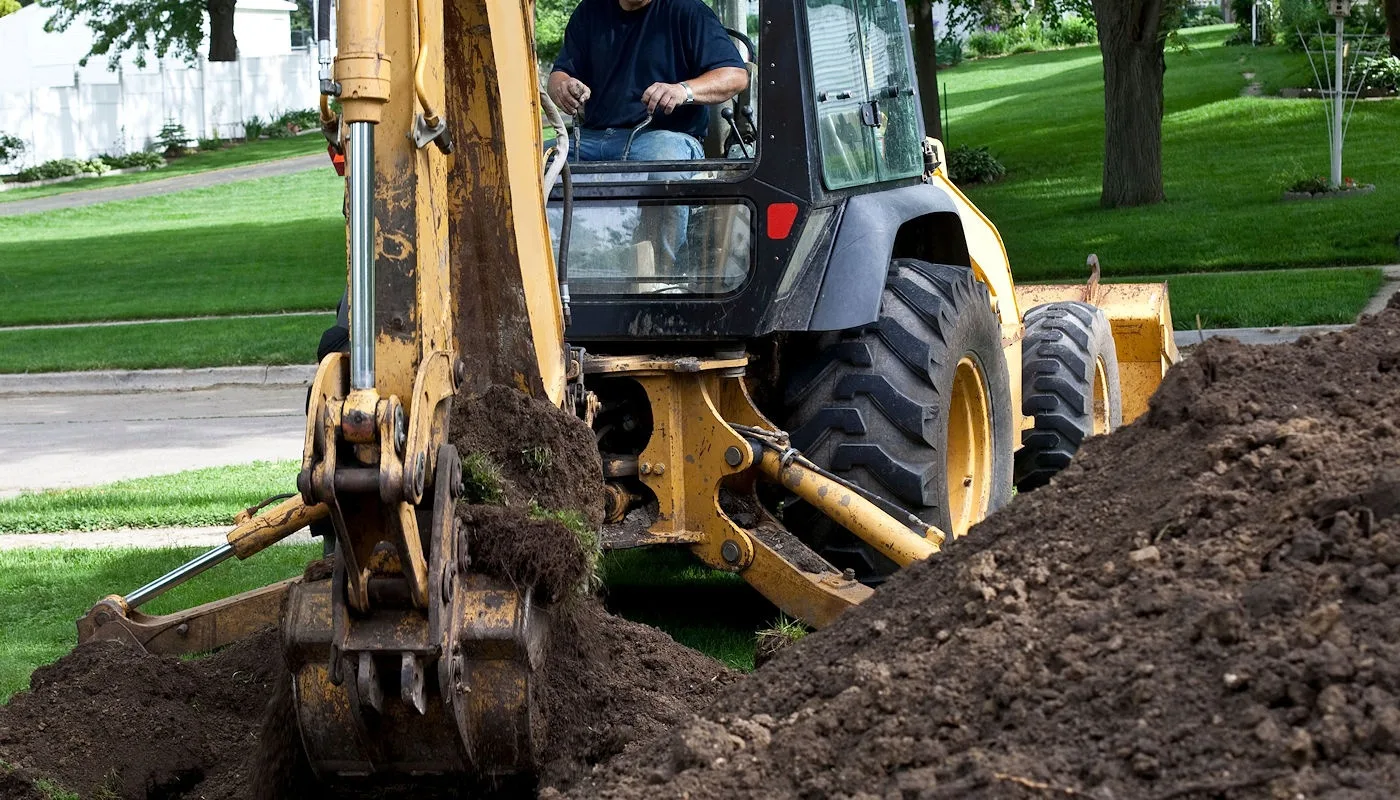
The excavator opens the trench, and we hold the grade so water keeps moving to the outlet. Pipe and washed stone go in, the fabric wraps the stone, then the trench gets backfilled. On a new build, the curtain drain goes in while the septic system is installed. On an existing lot, we work around the tank and the field lines already in the ground.
Permits and rules sit with the county. In Alabama, the county health department runs the onsite sewage program. In Georgia that falls to the county environmental health office. Rules differ by county, so check with the county health department for your lot before any digging starts.
We run curtain drain work across Northeast Alabama and Northwest Georgia, from Piedmont out to Southside. Wet lots are common here, where hills drop toward creeks and bottom land. If the trouble turns out to be the tank, we handle repairs to the septic tank on the same trip. Estimates are free, and we quote by the job.
Free, no-obligation estimates across Northeast Alabama and Northwest Georgia.
(256) 453-9003From the first phone call to the final grade, here is exactly how it goes.
Tell us what the system is doing, or what the new build needs. We answer questions on the phone and set a time to come out.
We look at the tank, the field, the soil, and the access. Then you get one price for the whole job before any work starts.
We file the septic permit with the county health office where the job needs one, then dig, set, and plumb the work to what the permit calls for.
The inspector signs off before anything is covered. We backfill, grade the ground smooth, and leave the yard ready to seed.
Common questions about curtain drains across Northeast Alabama and Northwest Georgia. Don't see yours? Give us a call and ask.
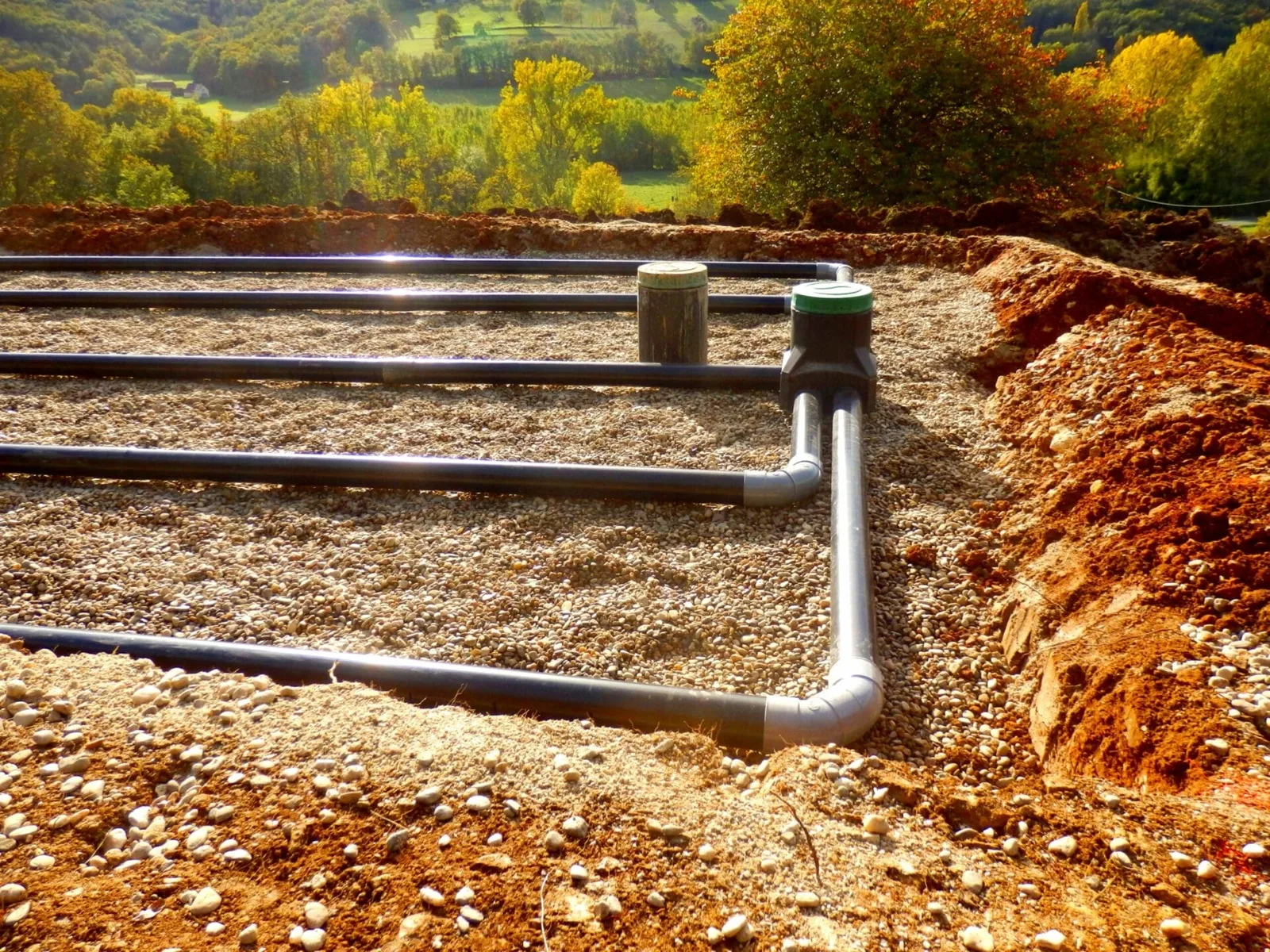
Drain field repair puts the buried field lines back to work when your yard stays wet. We repair and replace field lines across Northeast Alabama and Northwest Georgia.
View Details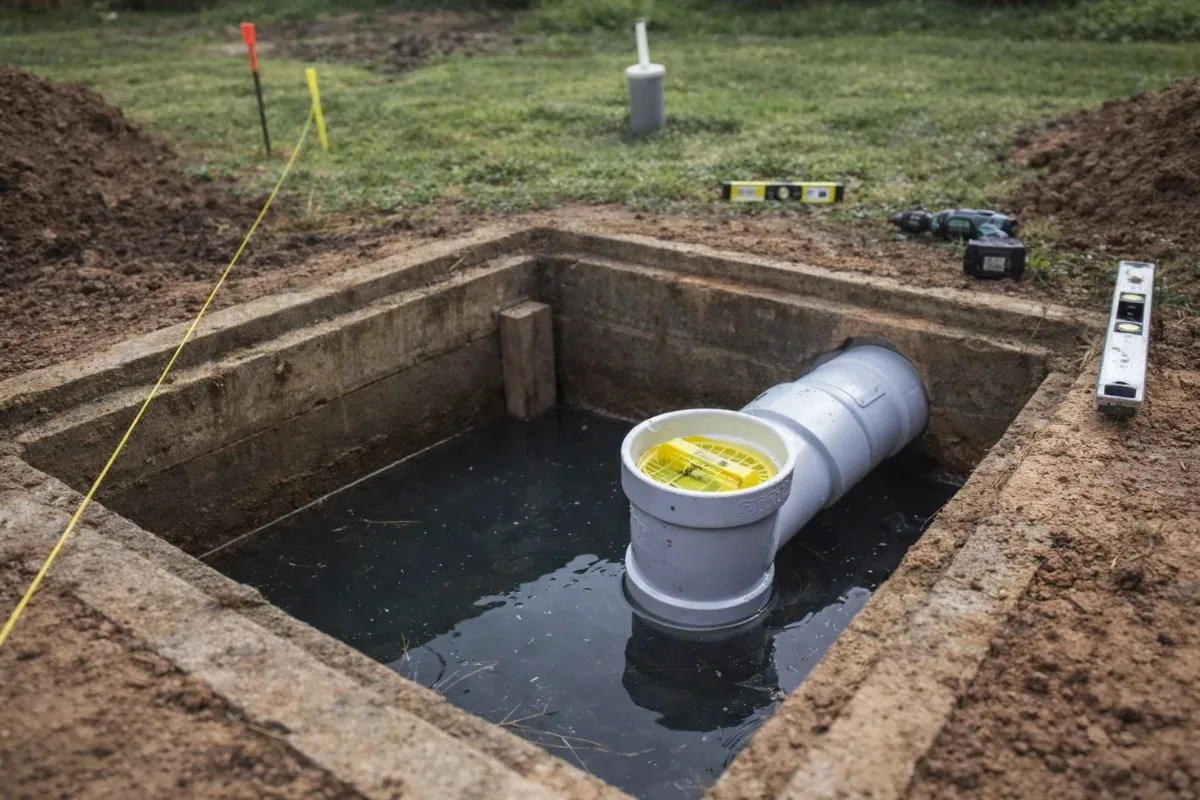
We repair septic tanks, lids, risers, baffles, and the lines running in and out of the tank. Estimates are free across Northeast Alabama and Northwest Georgia.
View Details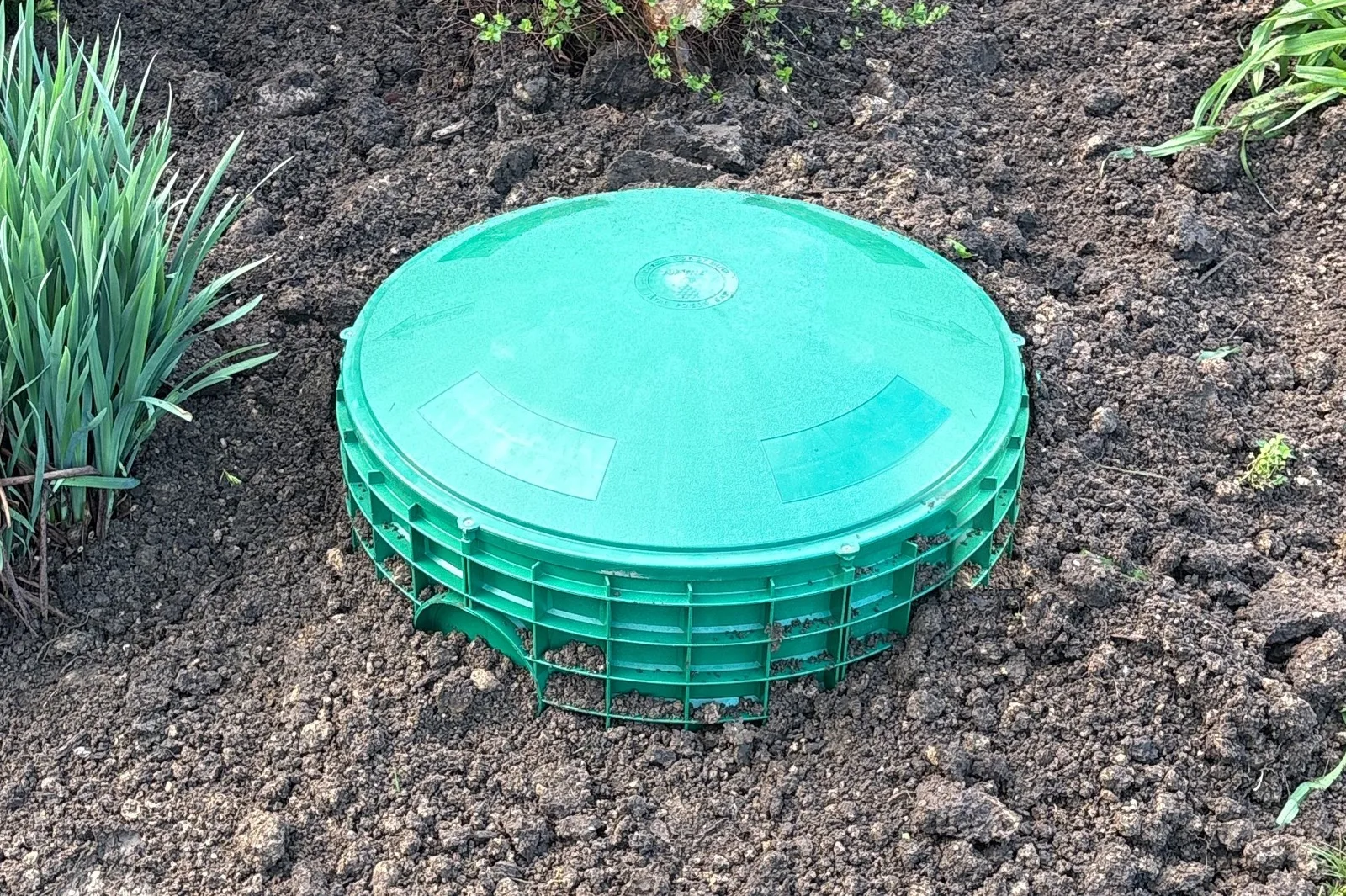
Regular septic tank maintenance keeps solids in the tank and out of your field lines. We pump on a schedule, clean the outlet filter, check the lids, and look over the drain field.
View DetailsJim Westbrook has put in septic systems his whole working life. He has dug through the clay, chert, and shallow rock that sit under Northeast Alabama, and that reading of the ground shapes every system we build.
Jim holds an Alabama Level II installer license, the advanced level. That covers conventional gravity systems, engineered systems for lots that fail a perc test, and large commercial jobs like schools.
Septic permits run through the county health department in Alabama and the county environmental health office in Georgia. We file the right paperwork in the right office and never cover a system before the inspector signs off.
Three crews and our own excavation equipment mean your job gets scheduled and finished. Tank, field lines, pumps, and the drainage that protects them all come from the same company.
A new build that needs a septic system, a tank that is overdue for a pump out, or a drain field that will not dry up? Call or send the form and we will look at the job with you and price the whole thing. The estimate is free.
Tell us about your project and we will get right back to you.